Low Blood Pressure (Hypotension): Best Foods and Management Strategies for 2025
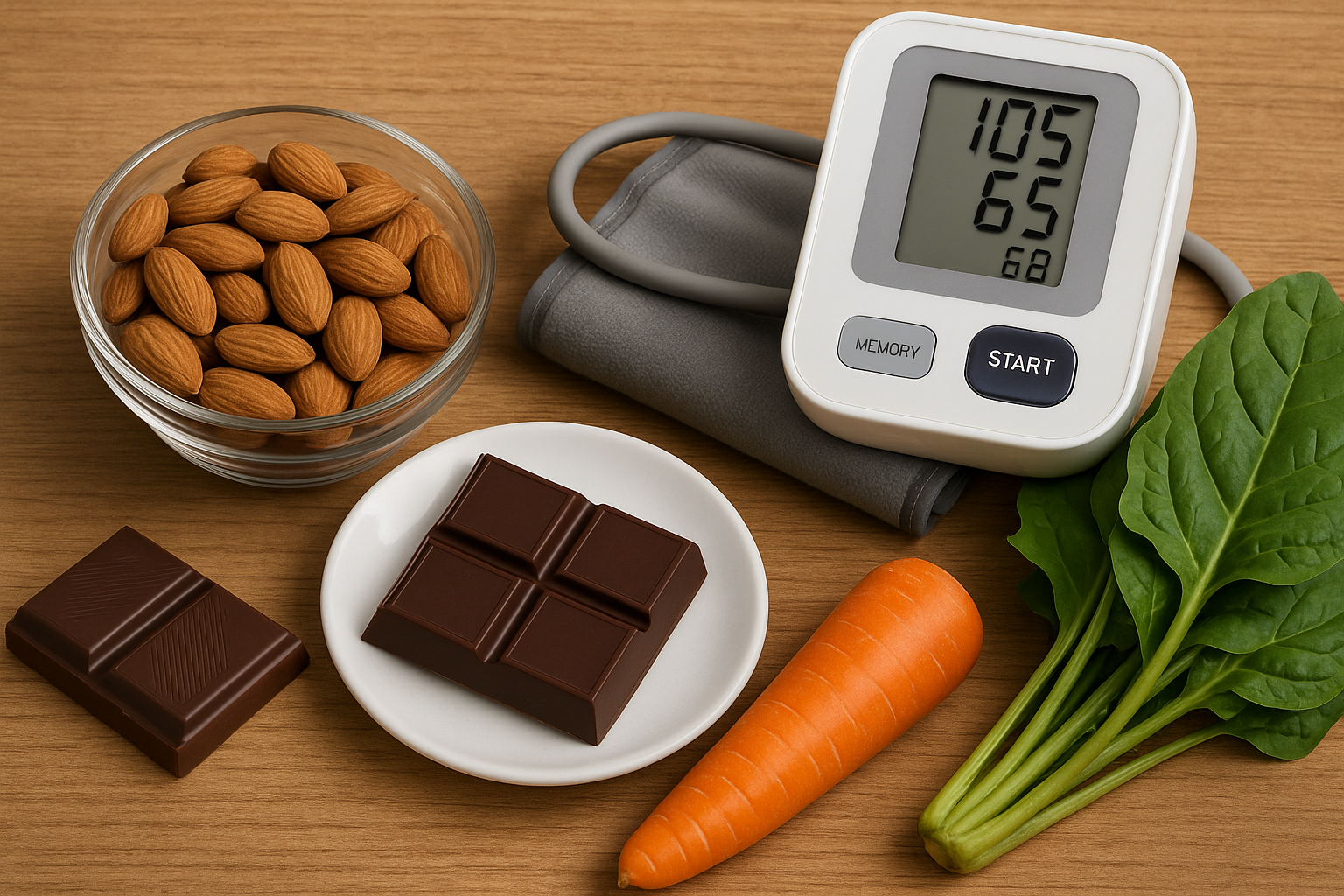
Low blood pressure, medically known as hypotension, affects millions of people worldwide yet receives far less attention than its counterpart, high blood pressure. When your systolic pressure drops below 90 mmHg or diastolic pressure falls under 60 mmHg, you may experience symptoms that significantly impact your daily life.
This comprehensive guide explores evidence-based approaches to managing low blood pressure through nutrition, lifestyle modifications, and medical interventions when necessary.
Understanding Low Blood Pressure: Definition and Diagnosis
📊 Quick Facts
Low Blood Pressure Criteria:
- Systolic pressure: Below 90 mmHg
- Diastolic pressure: Below 60 mmHg
- Symptoms may occur even at higher readings in some individuals
Low blood pressure occurs when blood flow through your arteries is insufficient to deliver adequate oxygen and nutrients to your organs. While often less dangerous than hypertension, severe hypotension can lead to organ damage and life-threatening complications.
Root Causes of Low Blood Pressure
Primary Causes
1. Orthostatic Hypotension
The most common type, occurring when you stand up quickly from a lying or sitting position. This condition is particularly prevalent in hot environments or during dehydration.
2. Dehydration
Loss of body fluids through sweating, vomiting, diarrhea, or inadequate fluid intake reduces blood volume, leading to decreased blood pressure.
3. Blood Loss
Severe trauma, internal bleeding, or heavy menstrual periods can rapidly reduce blood volume and trigger hypotension.
4. Cardiac Conditions
- Heart failure
- Arrhythmias
- Heart attack
- Valve problems
5. Medication Side Effects
Certain medications can cause blood pressure drops:
- Diuretics
- Beta-blockers
- ACE inhibitors
- Tricyclic antidepressants
- Parkinson’s disease medications
6. Autonomic Nervous System Disorders
Conditions affecting the body’s automatic functions can disrupt blood pressure regulation.
7. Underlying Medical Conditions
- Type 1 and Type 2 diabetes
- Thyroid disorders
- Adrenal insufficiency
- Severe infections (sepsis)
⚠️ Warning Signs
Seek immediate medical attention if you experience:
- Persistent dizziness or lightheadedness
- Fainting spells
- Severe fatigue
- Chest pain
- Shortness of breath
- Cold, clammy skin
- Rapid, shallow breathing
Top Foods for Managing Low Blood Pressure
Nutrition plays a crucial role in managing hypotension. The following foods can help stabilize blood pressure through various mechanisms:
| Food Category | Specific Foods | Key Nutrients | Primary Benefits |
|---|---|---|---|
| Nuts & Seeds | Almonds, Walnuts, Sunflower seeds | Vitamin E, Magnesium, Healthy fats | Improved circulation, Reduced inflammation |
| Dark Chocolate | 70%+ Cacao content | Theobromine, Flavonoids | Temporary blood pressure increase, Antioxidant effects |
| Legumes | Lentils, Chickpeas, Black beans | Protein, Folate, Iron | Enhanced blood volume, Improved oxygen transport |
| Leafy Greens | Spinach, Kale, Swiss chard | Folate, Vitamin K, Nitrates | Better circulation, Vascular health |
| Root Vegetables | Carrots, Beets, Sweet potatoes | Beta-carotene, Potassium | Improved blood flow, Electrolyte balance |
| Whole Grains | Brown rice, Quinoa, Oats | B-vitamins, Iron, Fiber | Sustained energy, Blood sugar stability |
Detailed Food Analysis
🥜 Almonds and Tree Nuts
Almonds are particularly beneficial due to their high vitamin E content, which supports vascular health and circulation. A serving of 23 almonds provides approximately 37% of your daily vitamin E needs.
Optimal serving: 1 ounce (28g) daily Caution: High in calories (160+ per ounce)
🍫 Dark Chocolate (70% Cacao or Higher)
The theobromine compound in dark chocolate can provide a mild, temporary increase in blood pressure while delivering powerful antioxidants.
Optimal serving: 1-2 squares daily Choose: Organic, minimally processed varieties
🫘 Legumes and Beans
Rich in plant-based protein and folate, legumes help maintain healthy blood volume and support red blood cell production.
Best options: Lentils, chickpeas, kidney beans Preparation tip: Soak overnight to improve digestibility
Foods to Limit or Avoid with Low Blood Pressure
❌ Caution Zone
These foods may worsen hypotension symptoms:
Caffeine (Moderate Intake)
While caffeine can temporarily raise blood pressure, its diuretic effects may lead to dehydration and subsequent blood pressure drops.
Recommendation: Limit to 1-2 cups of coffee daily, consume with food
Alcohol
Alcohol causes blood vessel dilation and dehydration, both of which can worsen hypotension.
Guideline: Avoid or severely limit alcohol consumption
High-Carbohydrate Meals
Large, carb-heavy meals can cause postprandial hypotension (post-meal blood pressure drops).
Strategy: Choose smaller, more frequent meals with balanced macronutrients
Ultra-Processed Foods
Highly processed foods often lack essential nutrients needed for cardiovascular health.
Examples to avoid: Fast food, packaged snacks, sugary cereals
Medical Treatments for Severe Hypotension
💊 Medical Management
Most cases of low blood pressure can be managed through lifestyle modifications alone.
When symptoms severely impact quality of life, healthcare providers may prescribe:
Fludrocortisone (Florinef)
- Function: Increases blood volume by promoting sodium retention
- Usage: Taken daily under medical supervision
- Monitoring: Regular electrolyte checks required
Pyridostigmine (Mestinon)
- Function: Improves nerve signal transmission to blood vessels
- Benefits: Particularly effective for orthostatic hypotension
- Side effects: Generally mild when properly dosed
Midodrine (ProAmatine)
- Function: Vasoconstrictor that raises blood pressure
- Usage: Taken 3 times daily
- Caution: Can cause supine hypertension
⚠️ Important: Never self-medicate for low blood pressure. All medications require proper medical evaluation and monitoring.
Lifestyle Strategies for Low Blood Pressure Management
Hydration Protocol
- Target: 64-80 ounces of water daily
- Timing: Spread throughout the day, not all at once
- Enhancement: Add a pinch of sea salt to water if recommended by your doctor
Meal Planning
- Frequency: 5-6 small meals instead of 3 large ones
- Composition: Balance protein, healthy fats, and complex carbohydrates
- Sodium: Don’t severely restrict salt unless advised otherwise
Exercise Guidelines
Cardiovascular Exercise
- Type: Walking, swimming, cycling
- Intensity: Low to moderate
- Duration: 20-30 minutes daily
- Progression: Gradual increase over time
Resistance Training
- Focus: Lower body strength to improve venous return
- Frequency: 2-3 times per week
- Safety: Avoid sudden position changes during exercises
Daily Movement Tips
- Position changes: Rise slowly from lying or sitting
- Compression wear: Consider compression stockings
- Elevation: Raise the head of your bed 6-10 inches
- Temperature: Avoid prolonged hot showers or saunas
Frequently Asked Questions (FAQ)
Q: Can low blood pressure be completely cured?
A: Many cases of low blood pressure can be effectively managed through lifestyle modifications. However, underlying conditions may require ongoing medical treatment. The goal is symptom management and prevention of complications.
Q: How quickly do dietary changes affect blood pressure?
A: Some people notice improvements within 1-2 weeks of dietary changes, while others may require 4-6 weeks to see significant benefits. Consistency is key for long-term results.
Q: Is it safe to exercise with low blood pressure?
A: Yes, appropriate exercise can actually help improve circulation and reduce symptoms. Start slowly and avoid exercises that involve rapid position changes or prolonged standing.
Q: Should I add extra salt to my diet?
A: Unlike with high blood pressure, people with hypotension may benefit from moderate sodium intake. However, consult your healthcare provider before making significant dietary changes.
Q: When should I seek emergency medical care?
A: Seek immediate help if you experience fainting, chest pain, difficulty breathing, severe dizziness, or signs of shock such as cold, clammy skin and rapid pulse.
Evidence-Based Supplements for Low Blood Pressure
🔬 Research-Backed Options
Always consult healthcare providers before starting supplements
Vitamin B12
- Dosage: 2.4 mcg daily (or as recommended)
- Benefit: Supports red blood cell production
- Sources: Fortified foods or supplements
Iron
- Indication: Only if iron deficiency is confirmed
- Testing: Requires blood work for proper dosing
- Absorption: Take with vitamin C for better uptake
Coenzyme Q10
- Dosage: 100-200mg daily
- Benefit: Supports cardiovascular function
- Quality: Choose ubiquinol form for better absorption
Creating Your Low Blood Pressure Action Plan
Week 1-2: Assessment and Foundation
- Track blood pressure readings
- Identify trigger situations
- Begin hydration improvements
- Start gentle movement routine
Week 3-4: Dietary Integration
- Incorporate recommended foods gradually
- Adjust meal timing and size
- Monitor symptom changes
- Continue movement progression
Month 2-3: Optimization
- Fine-tune dietary approach
- Increase exercise intensity if tolerated
- Consider compression garments if needed
- Reassess with healthcare provider
Conclusion
Low blood pressure management requires a comprehensive approach combining proper nutrition, lifestyle modifications, and medical care when necessary. While hypotension can significantly impact quality of life, most people can achieve substantial improvement through consistent implementation of evidence-based strategies.
Key takeaways:
- Focus on nutrient-dense foods that support circulation
- Stay adequately hydrated throughout the day
- Make gradual position changes to prevent symptoms
- Exercise regularly with appropriate modifications
- Work with healthcare providers for optimal management
Remember that managing low blood pressure is a marathon, not a sprint. Small, consistent changes often yield the best long-term results. If symptoms persist or worsen despite lifestyle modifications, don’t hesitate to seek professional medical evaluation.
This article is for informational purposes only and should not replace professional medical advice. Always consult with qualified healthcare providers for personalized treatment recommendations.